

Why should hair adhesive be removed from wigs? Adhesive on hair has a tendency to absorb dust and other contaminants. In addition to making the wig appear unclean, this dirt can harbor bacteria. The health of the skin of the head may be impacted by allergies, scalp itching, and other problems. However, the surface may become uneven due to the adhesive residue. This may result in uneven local pressure, which could crush the scalp. Additionally, when the wig is removed, any leftover glue may adhere to the hair, causing needless discomfort and damage to the hair.How to remove adhesive from lace wig? Let’s explore together.

What do I Need to Prepare?
Selecting an appropriate light adhesive removal product is the first step. A excellent option is the specific degumming spray for wigs, which can minimize damage to the hair while efficiently breaking down the glue.

Alcohol is another often used degreasing agent. It can dissolve adhesive quickly due to its great solubility. However, pick moderately concentrated alcohol to avoid extreme excitement. Because of its delicate texture, baby oil is also a fantastic option for removing adhesive and nourishing wigs.
You also need a brush with delicate bristles. To avoid scratching the wig, pick a brush made of delicate fur, such animal hair. Additionally, set up a basin of warm water (between 30 and 40 degrees Celsius) to rinse it. Lastly, the easiest way to wash and dry the wetness is to use cotton towels that absorb a lot of water.
Different Methods of Removing Adhesive
1.Alcohol
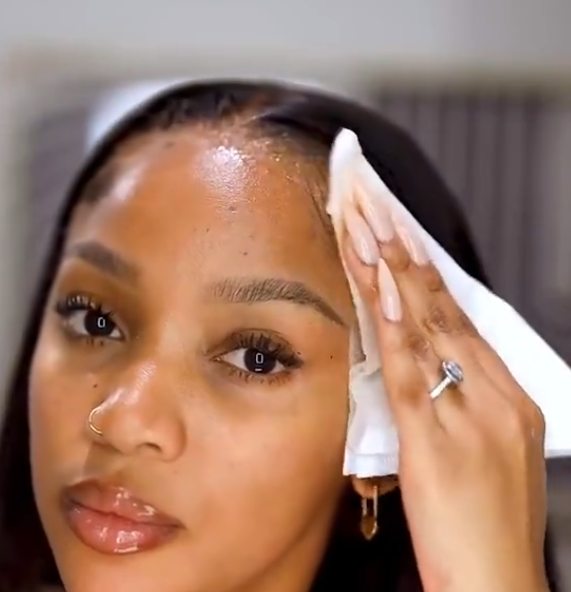
Alcohol works well as a natural degelling agent. Wipe the affected areas with a clean cotton ball after adding the proper amount of alcohol. Alcohol is volatile, thus it's critical to replenish it as soon as possible. Be careful not to tug the wig too hard when wiping. Alcohol has the benefit of being quick and simple to obtain, but it might dry up the wig, so careful handling is necessary.
Adhesive can also be removed with the use of baby oil and olive oil. To ensure they completely penetrate the glue, apply them to the adhesive residue and gently massage it for a few minutes. Next, use a cloth or tissue to carefully remove the softened adhesive.The advantage of these two is their mild texture, which minimizes damage to wigs and nourishes them to make them smoother.
2.Hot Water
Temperature and timing must be strictly controlled while using this procedure. First, fill a large enough container with warm water that is below 50 degrees. The wig may fade or distort due to overheated water. To progressively soften the lace wig, soak it for 15 to 20 minutes. The wig may get loose if the soaking duration is too long.
How to Remove Adhesive from Lace Wig
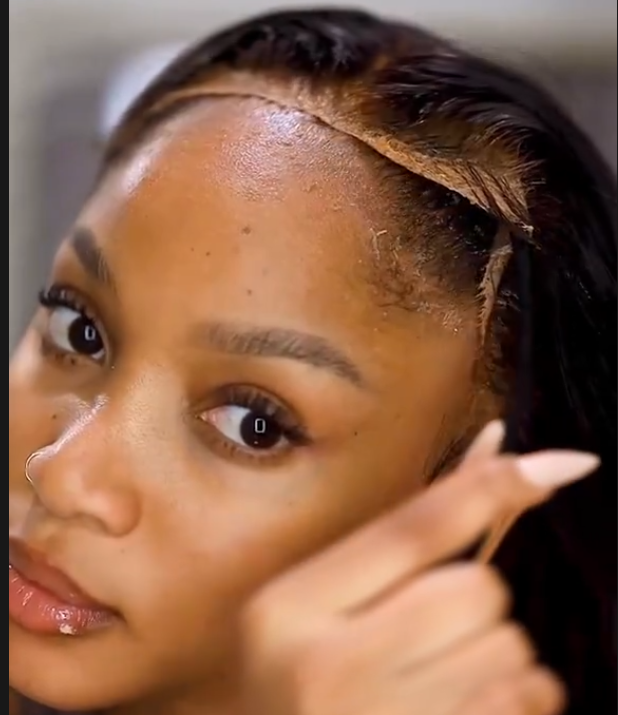
To prevent slippage throughout the procedure, first secure the wig. The wig can be placed on top of a clean cloth or a wig stand, and the edges can be fastened with hair clips or other fixing tools.
Second, you can use the adhesive removal technique mentioned above to apply the product. I advise you to begin with the edges using a brush with soft bristles. because the edges' adhesive is comparatively thinner and simpler to remove.
Additionally, to prevent tangling caused by reverse brushing, carefully brush along the direction of the hair. Don't use too much power when you come across sticky glue; you can brush it a few more times.
Additionally, rinse the wig with warm water to get rid of any remaining adhesive and adhesive products. To help the water remove any leftover materials, you can gently comb the wig with your fingers. It takes around three to five minutes to rinse the water until it is clear.
Lastly, let it air dry naturally in an area away from direct sunlight after gently drying it with a fresh towel. After degumming, the hair could get dry. For hair care, you can select a specific conditioner or spray and apply it as directed by the manufacturer. Hair conditioner can smooth out and fix damaged areas.
Wigs can be made softer and more glossy using nursing spray.After the wig is completely dry, combing it smoothly and then covering it with a wig-specific hair net can effectively prevent hair tangling.
Conclusion
In conclusion, this essay covered the removal of glue from lace wigs. I suggest CheetahbeautyHair if you want to get higher-quality wigs that don't need a lot of processing. It features human hair and upscale lace hairnets in a variety of simple yet attractive forms. It is very cost-effective because it may be used repeatedly with the right upkeep. I wish you a happy life and hope that this article has taught you how to remove glue.
Leave a comment